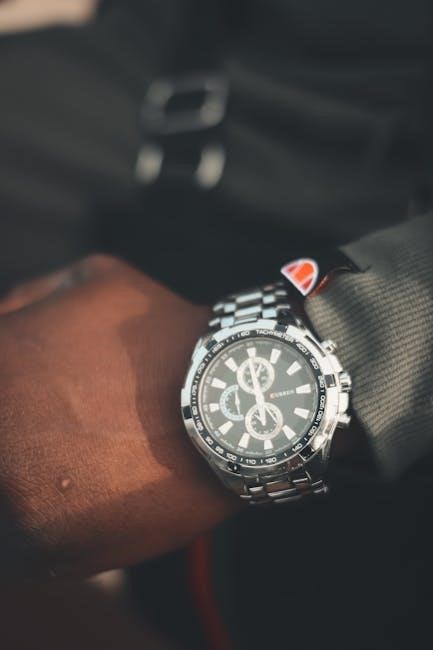
Watch Size Guide: Finding the Perfect Fit
Navigating the world of timepieces requires understanding how a watch’s dimensions harmonize with your wrist, ensuring both comfort and a stylish aesthetic.
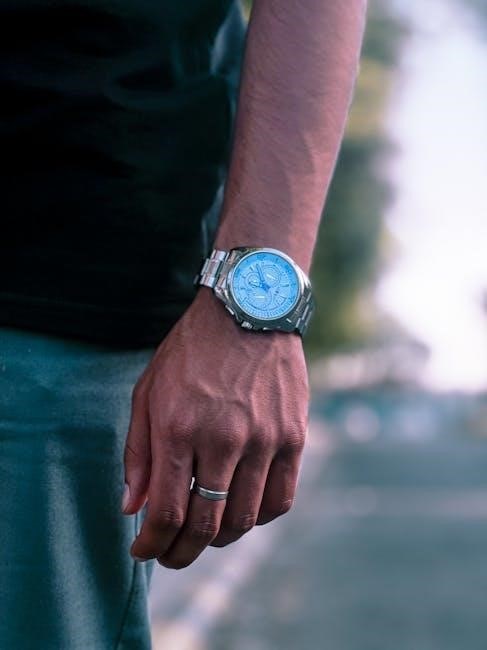
Understanding Wrist Measurement
Accurate wrist measurement is the cornerstone of selecting a watch that feels perfectly balanced and looks proportionate. It’s more than just a number; it’s the foundation for a comfortable and aesthetically pleasing fit. Begin by wrapping a flexible measuring tape snugly – but not tightly – around your wrist where you’d naturally wear a watch.
If a flexible tape isn’t available, a piece of string or paper will suffice. Mark the point where it overlaps, then measure that section with a ruler in millimeters. This measurement represents your wrist size. Remember, consistency is key; ensure the tape or string is positioned the same way each time for reliable results. Knowing your wrist size empowers you to confidently navigate watch case diameter correlations and ultimately, find your ideal timepiece.
Tools for Accurate Measurement
Achieving a precise wrist measurement doesn’t demand specialized equipment, but selecting the right tool enhances accuracy. A flexible measuring tape is the gold standard, offering the most direct and reliable reading. Look for tapes constructed from durable, non-stretch materials for consistent results. However, alternatives exist for those without a dedicated measuring tape.
A simple piece of string or even a strip of paper can effectively substitute. Carefully wrap it around your wrist at the intended wearing position, marking the exact overlap point. Subsequently, lay the string or paper flat and measure the marked length using a standard ruler or yardstick, ensuring the measurement is recorded in millimeters. Regardless of the tool chosen, prioritize a snug – yet comfortable – fit for the most accurate wrist size determination.
Measuring Your Wrist Size
To accurately determine your wrist size, position the measuring tape (or string/paper) snugly around your wrist where you would typically wear a watch. Avoid excessive tightness that constricts circulation, but ensure the tape remains secure and doesn’t slip. The goal is a comfortable, representative fit. It’s crucial to measure your dominant wrist, as it may differ slightly from the other.
Record the measurement in millimeters (mm) for the most precise results. If using string or paper, carefully mark the point where it overlaps and then measure that section with a ruler. Double-check your measurement to minimize errors. This wrist circumference is the foundation for selecting a watch case size that complements your anatomy and style, ensuring a balanced and comfortable wearing experience.
Wrist Size and Watch Case Diameter Correlation
Generally, a harmonious balance exists between wrist size and watch case diameter. A six-inch wrist typically suits case sizes ranging from 34mm to 38mm, offering a proportionate look. For a 6.5-inch wrist, 38mm to 40mm cases are often ideal, while a 7-inch wrist can comfortably accommodate 40mm to 42mm or even slightly larger cases.
However, these are merely guidelines; personal preference plays a significant role. Larger wrists can often pull off bolder, larger watches, while smaller wrists may benefit from more understated designs. Consider the overall aesthetic you desire – a smaller watch can appear more refined, while a larger one can make a statement. Remember that case diameter is just one factor; lug-to-lug measurement and watch thickness also contribute to the overall fit and feel.
Watches for 6-Inch Wrists
Individuals with a six-inch wrist generally find the most comfortable and aesthetically pleasing watches within the 34mm to 38mm case size range. These smaller diameters prevent the watch from overwhelming the wrist, creating a balanced and proportionate appearance. Consider watches with shorter lug-to-lug measurements to ensure the lugs don’t extend beyond the wrist’s edges.
Vintage-inspired designs often excel in this size range, offering classic elegance. Slimmer watch profiles are also recommended, as bulkier watches can appear disproportionate. Explore brands offering smaller case sizes or watches specifically designed for smaller wrists. Don’t shy away from minimalist designs, as they tend to complement smaller wrists beautifully, creating a refined and sophisticated look.
Watches for 6.5-Inch Wrists
A 6.5-inch wrist offers more versatility in watch size selection. Case diameters between 38mm and 40mm typically provide an excellent balance, appearing substantial without being overpowering. This wrist size can often pull off slightly larger watches, but maintaining proportion is key. Consider the lug-to-lug measurement; it should ideally remain within the wrist’s circumference for optimal comfort and visual harmony.
Experiment with different styles – field watches, divers, and even some dress watches can work well. Pay attention to the watch’s overall design; a cleaner dial can make a larger watch appear less bulky. Don’t be afraid to try on watches slightly outside this range to see what feels and looks best, but prioritize comfort and a balanced aesthetic.
Watches for 7-Inch Wrists
With a 7-inch wrist, you have considerable freedom when choosing a watch size. Case diameters ranging from 40mm to 44mm generally look proportionate and stylish. Larger, bolder watches can be confidently worn, offering a strong presence without appearing disproportionate. However, even with a larger wrist, avoid excessively large watches that might overwhelm the hand.
Divers, chronographs, and pilot watches often suit this wrist size well. Consider the lug-to-lug measurement to ensure a comfortable fit. A watch with a longer lug-to-lug distance can still be comfortable if it curves to follow the wrist’s contour. Experiment with different styles and strap materials to find the perfect combination of size, design, and comfort.
Common Watch Case Sizes Explained
Watch case sizes are typically measured in millimeters (mm) from the widest point, excluding the crown, lugs, or bezel. Understanding these sizes is crucial for finding the right fit. Smaller cases, like 36mm-38mm, are often favored for their classic and understated look, suitable for smaller wrists or those preferring a more discreet style.
Mid-size cases, in the 40mm-42mm range, represent a versatile sweet spot, working well for a broad range of wrist sizes and styles. Larger cases, 44mm and above, make a bolder statement and are generally better suited for larger wrists. Vaer builds watches in core case sizes of 36mm, 38mm, 39mm, and 40mm, catering to various wrist sizes.
36mm ⎯ 38mm Watch Cases
Watches within the 36mm to 38mm case size range are generally considered ideal for individuals with smaller wrists, typically around six inches in circumference. These sizes offer a classic and refined aesthetic, avoiding a bulky or overwhelming appearance. They are also a popular choice for those who prefer a more understated and vintage-inspired style.
These case sizes aren’t limited by gender; they can suit both men and women depending on personal preference. A 36mm or 38mm watch provides a proportional look without dominating the wrist. They often pair well with slimmer straps and simpler dial designs, enhancing the overall elegance. Consider this range if you prioritize comfort and a timeless look.
40mm — 42mm Watch Cases
The 40mm to 42mm range represents a versatile sweet spot in watch sizing, accommodating a broad spectrum of wrist sizes, particularly those around 6.5 to 7 inches. These cases strike a balance between presence and wearability, offering a noticeable yet not overpowering aesthetic. They are frequently favored for everyday wear due to their adaptability.
This size category is incredibly popular across various watch styles, from dress watches to sportier models. A 40-42mm case can handle more complex dial layouts and features without appearing cluttered. It’s a safe and stylish choice for many, providing a modern and balanced look. These sizes often work well with a variety of strap materials and widths, further enhancing their versatility.
44mm+ Watch Cases
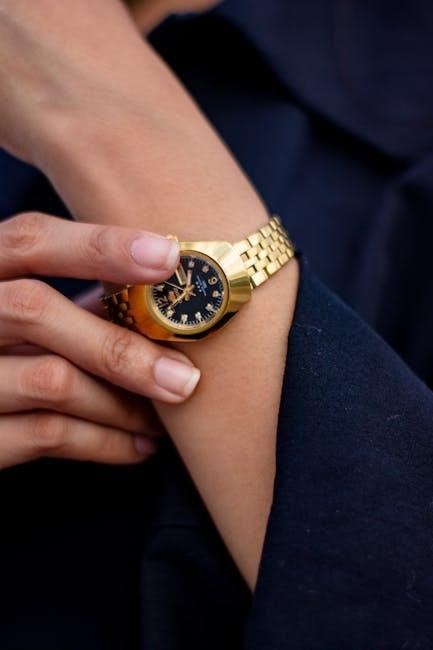
Watches boasting case sizes of 44mm and above make a bold statement, generally best suited for wrists 7 inches or larger. These larger timepieces exude confidence and presence, often favored by those who appreciate a substantial watch on their wrist. They are particularly popular in dive watches and pilot watches, where legibility and robust construction are paramount.
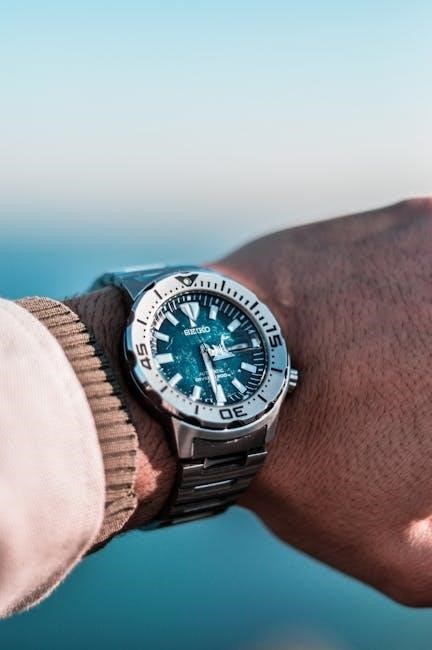
However, it’s crucial to consider lug-to-lug measurements with larger cases, as excessive overhang can compromise comfort. While visually striking, very large watches aren’t for everyone and can appear disproportionate on smaller wrists. They often feature bolder dial designs and thicker profiles, contributing to their commanding aesthetic. These sizes are ideal for individuals seeking a powerful and noticeable wrist presence.
Lug-to-Lug Measurement: A Crucial Factor
Beyond case diameter, the lug-to-lug measurement – the distance between the furthest points of the watch’s lugs – is paramount for comfort. This dimension dictates how the watch sits on your wrist, preventing overhang that can cause discomfort or appear awkward. A watch with a lug-to-lug measurement exceeding your wrist circumference will likely feel unwieldy.
Ideally, the lug-to-lug measurement should be equal to or slightly less than your wrist size. This ensures the lugs sit entirely within the bounds of your wrist, providing a secure and comfortable fit. Ignoring this measurement can lead to a watch feeling disproportionately large, even if the case diameter seems appropriate. Prioritizing lug-to-lug alongside diameter is key to finding a truly well-fitting timepiece.
Watch Thickness and Wrist Size
Watch thickness, often overlooked, significantly impacts wearability, especially concerning wrist size. A bulky watch, even with a suitable diameter and lug-to-lug, can feel cumbersome and uncomfortable, particularly for those with smaller wrists. Thinner watches generally offer a more streamlined and elegant appearance, sliding easily under shirt cuffs.
Generally, individuals with smaller wrists (under 6.5 inches) should gravitate towards watches under 10mm thick. Those with larger wrists (7 inches and above) can often accommodate thicker watches, up to 13mm or even more, depending on personal preference. Consider your lifestyle; active individuals might prefer slimmer profiles to avoid snagging. Balancing thickness with other dimensions is crucial for optimal comfort and style.
Strap Width Considerations
Strap width plays a vital role in the overall proportion and comfort of your watch. It should complement both the watch case size and your wrist circumference. A disproportionately wide strap on a small watch and wrist can appear bulky and unbalanced, while a too-narrow strap can look flimsy.
As a general guideline, watches with 36-38mm cases typically pair well with 18mm or 20mm straps. 40-42mm cases often suit 20mm or 22mm straps, and larger 44mm+ cases generally require 22mm or 24mm straps. However, personal preference matters. Wider straps can create a bolder look, while narrower straps offer a more refined aesthetic. Ensure the strap integrates seamlessly with the watch lugs for a secure and visually pleasing fit, enhancing overall comfort and style.
Gender and Watch Size
Traditionally, watch size recommendations differed significantly between genders, but modern trends are blurring these lines. However, understanding general guidelines remains helpful. Women’s watches typically range from 26mm to 36mm, offering a more delicate and refined appearance suited to smaller wrist sizes. Men’s watches generally start around 38mm and extend to 46mm or larger, catering to broader wrists and a preference for bolder designs.
These are merely suggestions; personal style and wrist size are paramount. A woman with a larger wrist might comfortably wear a 38mm or 40mm watch, while a man with a smaller wrist might prefer a 40mm or 42mm case. Ultimately, the best watch size is the one that feels proportionate and comfortable on your wrist, regardless of gender norms.
Men’s Watch Size Recommendations
For men, selecting the appropriate watch size hinges on wrist circumference and personal preference. A 7-inch wrist generally pairs well with case diameters between 40mm and 44mm, offering a balanced and proportional look. Those with larger wrists, 7.5 inches or greater, can confidently explore sizes from 44mm upwards, even exceeding 46mm for a bolder statement.
Men with smaller wrists, around 6.5 inches, should consider watches in the 38mm to 42mm range to avoid an oversized appearance. It’s crucial to remember these are guidelines; a man’s build and style play significant roles. A slimmer watch with a larger diameter can still work, while a thicker watch might necessitate a slightly smaller case size for optimal comfort and aesthetics.

Women’s Watch Size Recommendations
Generally, women’s wrists are smaller, influencing ideal watch size. A wrist measuring 5.5 to 6 inches typically suits case diameters between 26mm and 36mm, creating a delicate and refined appearance. For wrists around 6.5 inches, a range of 36mm to 38mm often provides a balanced proportion.
However, current trends showcase women embracing larger watch faces. A 7-inch wrist can comfortably accommodate watches up to 40mm, particularly those with slimmer profiles. Ultimately, personal style dictates the best choice. Smaller-faced watches offer classic elegance, while larger sizes make a contemporary statement. Consider strap width and watch thickness alongside diameter for a harmonious fit and comfortable wear throughout the day.
Considering Your Personal Style
Beyond wrist measurements and case diameters, your personal style significantly impacts the ideal watch size. A minimalist aesthetic often pairs well with smaller, understated watches – think 36mm to 38mm cases – emphasizing subtlety and elegance. Those favoring a bolder, more contemporary look might gravitate towards larger timepieces, even exceeding 40mm, to make a statement.
Consider your wardrobe; a delicate watch complements refined outfits, while a substantial watch can balance more casual attire. Don’t be afraid to experiment! Try on various sizes to see what feels most authentic to your personality. Ultimately, the “right” size isn’t solely determined by numbers but by how confidently you wear it and how well it reflects your individual taste.
Proportion and Overall Aesthetic
Achieving a balanced look hinges on proportion. A watch that overwhelms a smaller wrist appears disproportionate, while a tiny watch on a larger wrist can seem lost. The goal is visual harmony – the watch should complement your wrist size, not dominate it. Consider the watch’s overall aesthetic too; a thick, bulky watch requires a wrist that can support its presence.
Think about the lugs, the parts that connect the strap to the case. They shouldn’t extend beyond the edges of your wrist. A well-proportioned watch creates a pleasing silhouette, enhancing your overall style. It’s about finding a size that feels comfortable and looks integrated with your physique, contributing to a polished and refined appearance.
Trying on Watches Before Buying
Whenever possible, physically trying on watches is paramount. Wrist sizes can vary, and relying solely on measurements isn’t always sufficient. Visit a retailer and experiment with different case sizes and styles to gauge how they feel and look on your wrist. Pay attention to comfort – does the watch feel balanced, or does it feel too heavy or cumbersome?
Move your hand in various directions to ensure the watch doesn’t interfere with your daily activities. Observe how the watch appears with different outfits and in different lighting conditions. This hands-on experience provides invaluable insight that online research simply can’t replicate, leading to a more satisfying purchase and a perfect fit for your wrist.
Online Resources and Size Charts
Numerous online resources offer watch size guides and wrist measurement assistance. Brand websites, like Nixon, frequently provide detailed charts correlating wrist size to recommended case diameters. These charts serve as excellent starting points, but remember they are generalizations. Explore forums and watch communities where enthusiasts share their experiences and offer personalized advice based on various wrist sizes and watch models.
Utilize virtual try-on tools, if available, though these aren’t always perfectly accurate. Compare size charts from different retailers, as variations can occur. Always cross-reference information and consider user reviews to gain a comprehensive understanding of a watch’s fit before making an online purchase.