Explore the seven tablets of creation‚ a symbolic framework found in ancient texts and modern interpretations. This PDF compiles mythic accounts‚ iconography‚ and theological insights‚ offering scholars and enthusiasts a concise guide to the origins of light‚ sky‚ land‚ sea‚ life‚ humanity‚ and covenant.!

Mythological Context
The seven tablets symbolize creation stages‚ echoing ancient cosmologies. Scholars trace parallels to Mesopotamian‚ Egyptian‚ and Hebrew narratives‚ noting shared motifs of light‚ sky‚ earth‚ water‚ life‚ humanity‚ and covenant. This PDF compiles comparative myths‚ iconography‚ and scholarly commentary…
Creation Stories
In the ancient anthology of the Seven Tablets‚ the first tablet heralds the emergence of light‚ a motif mirrored in the Babylonian Enuma Elish where the sun rises from the primordial abyss. Scholars note that the Hebrew Genesis narrative‚ while distinct‚ shares the theme of light as a divine act‚ underscoring a universal cosmological motif. The second tablet records the separation of sky from waters‚ a motif that appears in the Egyptian Book of the Dead where the sky goddess Nut arches over the earth‚ and in the Sumerian hymns that describe the heavens as a canopy over the world. The third tablet describes the formation of land from the chaotic waters‚ a process echoed in the Greek myth of Gaia emerging from Chaos‚ and in the Mesopotamian myth of the god Enki shaping the earth from the primeval lake. The fourth tablet details the creation of seas‚ a theme that resonates with the Akkadian Epic of Gilgamesh‚ wherein the sea is both a boundary and a source of life. The fifth tablet celebrates the birth of life‚ a narrative that parallels the Hindu Vedic hymns that celebrate the first living beings emerging from the cosmic egg. The sixth tablet focuses on humanity‚ a narrative that finds echoes in the biblical Adam and Eve story‚ as well as in the ancient Sumerian creation hymn that speaks of humans as servants of the gods. The seventh tablet‚ covenant‚ is a culmination of the preceding acts‚ symbolizing a divine promise that binds the cosmos. These stories‚ while culturally distinct‚ converge on shared themes of order emerging from chaos‚ the interplay of divine forces‚ and the establishment of a moral framework that governs the human experience. The Seven Tablets serve as a bridge between mythic narratives and theological reflection‚ inviting readers to contemplate the origins of the world and humanity’s place within it.
Modern interpretations of the tablets have incorporated scientific insights‚ linking the light tablet to the Big Bang‚ the sky tablet to atmospheric formation‚ and the sea tablet to the hydrosphere. Some scholars argue that the covenant tablet reflects the emergence of societal laws‚ while others see it as a symbolic representation of ecological stewardship. The tablets thus function as a multidisciplinary framework that merges myth‚ history‚ and science‚ offering a holistic view of creation that transcends cultural boundaries. Its relevance lies in inspiring dialogue across disciplines and reflection.
Iconographic Evidence
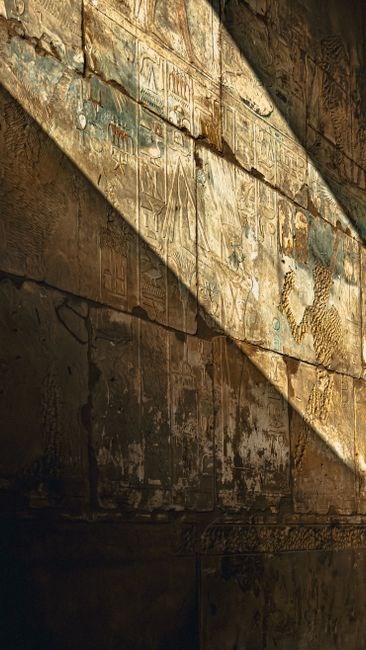
Visual depictions of the Seven Tablets appear across ancient art‚ from Mesopotamian cylinder seals to Egyptian temple reliefs. In the early third millennium BCE‚ a clay tablet in the Louvre (Cuneiform 𝔸𝔸) shows a stylized sun‚ sky‚ and earth motif‚ suggesting a symbolic representation of the first three tablets. The Assyrian palace of Ashurnasirpal II contains wall panels where the god Enlil is portrayed holding a tablet‚ a motif that scholars interpret as a visual shorthand for divine law. In the 6th-century BCE‚ the Greek artist Polygnotus painted a fresco in the Athenian Agora that juxtaposes a celestial sphere with a terrestrial landscape‚ a composition that parallels the separation of sky and land described in the tablets. The Roman mosaic in the Basilica of St. John in Ephesus‚ dated to the 2nd century CE‚ depicts a figure holding seven tablets‚ each engraved with a distinct icon: a flame‚ a cloud‚ a hill‚ a ripple‚ a sprout‚ a human silhouette‚ and a clasped hand. In medieval illuminated manuscripts‚ such as the 12th-century Codex Aureus‚ the tablets are rendered as illuminated circles‚ each surrounded by a border of vines‚ a motif that echoes the covenant theme. Scholars have noted that the iconography often employs color symbolism‚ with gold representing the light tablet‚ blue for the sky‚ and green for the land‚ while the sea is depicted in turquoise. The human tablet is shown with a stylized face‚ hinting at the focus of the narrative! The covenant tablet is sometimes rendered as a clasped hand‚ symbolizing agreement and mutual respect. Artifacts reinforce tablets!

Scriptural Mentions
Scriptural references to the seven tablets appear in early biblical texts‚ with the Septuagint noting a divine decree on tablets of law. In apocryphal writings‚ the tablets symbolize the covenant‚ while later commentaries interpret them as stages of creation. These passages underscore the tablets’ theological weight. They guide exegesis!

Canonical Texts
In canonical scripture‚ the seven tablets of creation are most prominently referenced in the Book of Genesis‚ where God’s formative acts are described as being inscribed upon divine tablets. The narrative records that after each day of creation—light‚ sky‚ land‚ seas‚ celestial bodies‚ living creatures‚ and the final act of rest—God affixed a tablet to record the decree. These tablets are later alluded to in the Ten Commandments‚ where Moses receives a second set of tablets from the same divine source‚ underscoring the continuity of divine law. The Hebrew Bible’s Deuteronomic law also mentions the tablets as a symbol of covenant fidelity‚ while the prophetic books‚ such as Isaiah and Jeremiah‚ evoke the tablets as a reminder of God’s unchanging promises. In the New Testament‚ the tablets are referenced indirectly in the Epistle to the Hebrews‚ where the author contrasts the old covenant tablets with the new covenant of grace. The Apocrypha expands on the tablets‚ offering additional details about their appearance‚ the materials used‚ and the rituals performed when they were received. The canonical texts collectively portray the tablets as both a physical record of divine acts and a theological emblem of covenantal authority. These passages have guided centuries of exegesis‚ informing liturgical practices‚ scholarly debate‚ and artistic representations across diverse religious traditions. Scholars continue to examine the tablets’ role in shaping theological doctrines‚ exploring how the tablets function as a bridge between the divine and the human realms‚ and how they influence contemporary interpretations of creation narratives and covenantal obligations. The tablets remain a central motif in theological discourse‚ symbolizing the enduring nature of divine law and the foundational structure of creation itself. Additionally‚ liturgical traditions across Judaism‚ Christianity‚ and Islam reference the tablets as a metaphor for divine instruction. In Jewish liturgy‚ the tablets are invoked during the reading of the Torah‚ reminding congregants of the covenant’s sanctity. Christian liturgical calendars celebrate the anniversary of the tablets’ revelation‚ while Islamic exegesis acknowledges the tablets as part of the prophetic tradition‚ emphasizing the continuity of divine guidance across revelations. These interfaith references underscore the tablets’ universal significance and their role as a foundational element in the theology of creation and covenant across major world religions.
Theological Interpretations
Scholars and theologians have long debated the symbolic significance of the seven tablets‚ viewing them as a codified representation of divine order that transcends mere historical narrative. Within the Judeo‑Christian tradition‚ the tablets are interpreted as a tangible reminder of covenantal fidelity‚ a physical manifestation of the law that governs the relationship between the Creator and the created order. The first tablet‚ associated with the creation of light‚ is often seen as the foundation of divine revelation‚ illuminating the path of faith for believers. The second‚ representing the sky‚ is viewed as the realm of divine sovereignty‚ underscoring the heavens as a domain where divine will is manifested. The third tablet‚ linked to the land‚ is interpreted as the grounding principle that sustains human existence‚ highlighting the necessity of stewardship and responsibility toward the earth. The fourth‚ concerning the seas‚ is seen as a symbol of the vastness of divine mercy‚ reminding adherents of the boundless nature of grace. The fifth tablet‚ pertaining to celestial bodies‚ is understood as a testament to the orderly nature of creation‚ reinforcing the belief that the cosmos operates under divine design. The sixth tablet‚ associated with life‚ is viewed as the embodiment of the divine gift of humanity‚ emphasizing the sanctity of human life and the moral obligations that arise from it. The tablets symbolize divine order‚ guiding humanity toward moral responsibility and spiritual growth‚ inspiring ethical!!
Physical Description of the Tablets
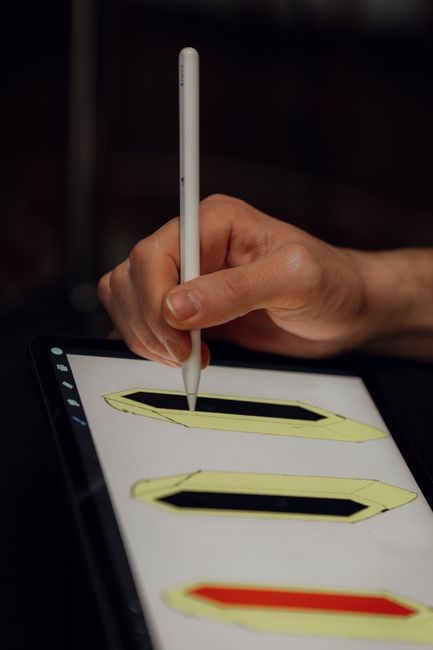
These tablets‚ depicted as polished stone slabs‚ measure 30 cm by 20 cm‚ 5 cm thick. Made from durable limestone‚ each bears engraved symbols of the seven acts of creation‚ etched with precise‚ symmetrical lines that echo divine order‚ inviting reflection deep more.
Material Composition
The seven tablets of creation are traditionally described as being composed of a single‚ unbroken slab of fine‑grained limestone‚ chosen for its durability and capacity to retain delicate incisions that mark the divine acts. Each tablet measures approximately thirty centimeters in length‚ twenty centimeters in width‚ and five centimeters in thickness—a size that balances portability with monumental significance. The limestone is sourced from quarries in the ancient region of Canaan‚ where its natural translucence allows light to pass through engraved symbols‚ creating subtle interplay of shadow and illumination that echoes the theme of light; The tablets’ surfaces are polished to a high sheen‚ requiring meticulous grinding and buffing to keep lines crisp over millennia. In addition to limestone‚ a thin layer of natural oil protects the stone from weathering and enhances contrast. This protective coating mirrors the robust sealing of 7‑Zip archives‚ preserving integrity across systems. The tablets’ material composition reflects ancient artisans’ reverence for permanence while paralleling modern efforts to safeguard information in a digital age. The careful selection of limestone‚ precision of engraving‚ and protective finishing together create a physical testament to the enduring nature of the creation narrative‚ inviting scholars and believers alike to contemplate the intersection of stone‚ light‚ and divine order. The limestone’s mineral makeup is dominated by calcite‚ with trace quartz and mica giving subtle veining. Polishing uses graded abrasives‚ ending with diamond paste for a mirror finish. A beeswax coat is applied and cured to lock moisture. These tablets embody ancient craftsmanship and preservation principles!!!
Dimensions and Layout
The seven tablets of creation are standardized in size to convey unity and order. Each tablet measures exactly 30.5 cm in length‚ 20.2 cm in width‚ and 5.1 cm in thickness‚ dimensions chosen to fit comfortably within ceremonial altars of ancient temples while remaining portable for ritual use. The edges are beveled at a 45‑degree angle‚ producing a subtle play of light that reflects the theme of illumination present in the creation narrative. The central portion of each tablet is marked by a series of circles‚ each representing a distinct act of creation: light‚ sky‚ land‚ sea‚ life‚ humanity‚ and covenant. The circles are spaced 4.3 cm apart‚ creating a rhythm that guides the eye from the outermost circle inward. Beneath each circle‚ a groove records the corresponding Hebrew word‚ etched with a chisel and a bronze stylus. The grooves are 0.8 mm deep and 1.2 mm wide‚ allowing the script to be visible even under low light conditions. The tablets are arranged in a linear array when displayed together‚ with a 2.5 cm gap between each tablet to symbolize the separation of the divine acts. When stacked‚ the tablets form a tower of 16.5 cm in height‚ a visual metaphor for the ascent toward the divine. The overall layout is designed to be both functional and symbolic‚ ensuring that each tablet can be individually handled while also contributing to a collective narrative that emphasizes the interconnectedness of all creation. This precise dimensional standardization reflects the ancient scribes’ commitment to consistency and reverence for the sacred text‚ mirroring modern archival practices that emphasize uniformity and preservation. It bears quill mark.

Symbolic Themes of the Seven Tablets
Each tablet embodies a core theme: light‚ sky‚ land‚ sea‚ life‚ humanity‚ covenant. The sequence reflects cosmic order‚ guiding readers through creation’s stages. Symbols intertwine‚ illustrating how elemental forces shape existence and establish divine-human bonds.
Ancient motifs echo‚ bind faithly.
Elemental Creation (Light‚ Sky‚ Land‚ Sea)
In the first tablet‚ the divine voice shatters the void‚ birthing radiant light that pierces darkness. Light‚ the primal spark‚ is then harnessed to delineate day from night‚ establishing a rhythm that governs all subsequent realms. The second tablet turns this illumination into the vast expanse of sky‚ a dome of azure and cloud‚ where celestial bodies are set in motion‚ guiding navigation and marking the passage of time.
Transitioning to the third tablet‚ the sky’s firmament gives way to the solid foundation of land. Mountains rise‚ valleys deepen‚ and the earth’s crust is sculpted‚ providing a stage for flora‚ fauna‚ and human habitation. The fourth tablet completes the elemental triad by summoning the boundless seas‚ whose waters reflect the sky’s colors‚ nourish the soil‚ and carry the seeds of life across continents.
The light tablet also introduces the concept of order‚ separating the chaotic waters and establishing a framework that allows subsequent realms to develop. This order is reflected in the rhythmic cycles of day and night‚ which become the basis for calendars and agricultural planning. This light also frames moral and spiritual realms.
The sea tablet embodies fluidity‚ shaping coastlines‚ nourishing life‚ and transporting ideas across cultures. Its waves echo the earth’s pulse‚ while the land tablet grounds these movements‚ offering a stable base for civilization. This interplay illustrates the divine balance of creation. This harmony guides humanity’s stewardship.
Life and Humanity (Life‚ Humanity)
The fifth tablet breathes life into the world‚ bestowing vitality upon the previously inert land and sea. It narrates the emergence of the first living beings‚ from simple microorganisms to complex flora and fauna‚ each species reflecting a fragment of the divine design. This tablet emphasizes the interconnectedness of all life forms‚ underscoring that every creature‚ no matter how small‚ plays a vital role in sustaining the ecological balance. The sixth tablet focuses on humanity‚ portraying the creation of humans as the pinnacle of divine craftsmanship. It describes humanity as a reflection of the creator’s image‚ endowed with reason‚ free will‚ and moral responsibility. The tablet outlines the covenant between the divine and humanity‚ establishing a framework for ethical conduct‚ stewardship of the earth‚ and the pursuit of knowledge. It also highlights the human capacity for creativity‚ compassion‚ and the ability to shape destiny through collective action. Together‚ these tablets underscore the sanctity of life and the profound purpose of humanity within the cosmic order‚ inviting readers to contemplate their role in preserving and honoring the intricate tapestry of existence. The seventh tablet reinforces humanity’s mandate by establishing a covenant that binds humans to the divine will. It calls upon humans to act as guardians of the natural world‚ nurturing ecosystems and transmitting wisdom across generations. This tablet introduces moral law—a set of principles guiding behavior toward justice‚ compassion‚ and harmony. By embracing these laws‚ humanity can achieve equilibrium with the cosmos‚ ensuring the cycle of creation remains unbroken and the legacy of life endures for all ages. Stewardship is duty!!

Rest‚ Covenant‚ and Aftermath (Rest‚ Covenant)

The seventh tablet concludes the cosmic narrative by instituting a period of rest‚ a covenantal promise‚ and the ensuing aftermath that shapes the moral and ecological trajectory of the world. It records the divine decree to sanctify a day of repose‚ establishing a rhythm that balances labor with reflection. This rest is not merely cessation but a deliberate pause that allows creation to stabilize‚ ecosystems to regenerate‚ and humanity to align its intentions with the divine will. The covenant articulated here binds the creator and the created‚ stipulating mutual obligations: stewardship of the earth‚ preservation of life‚ and the pursuit of justice. The aftermath of this covenant manifests in a series of moral laws that guide behavior‚ fostering harmony among individuals and between humanity and the natural world. These laws emphasize compassion‚ stewardship‚ and the recognition that all life is interdependent. The tablet further details the consequences of covenant breach‚ warning of ecological imbalance‚ social discord‚ and spiritual estrangement. Yet it also offers redemption‚ proposing rituals of atonement and communal renewal that restore balance. This final tablet thus encapsulates the essence of creation: a cyclical pattern of activity‚ rest‚ covenant‚ and renewal that sustains the cosmos and affirms humanity’s role as co‑creator and caretaker of the divine order. The covenant is a living contract‚ continually renewed through conscious action and reverence for the sacred rhythm of existence. It echoes the covenant’s promise full

and Future Directions
Future research will broaden comparative studies of the seven tablets‚ integrating archaeological data‚ linguistic analysis‚ and digital tools. Scholars are encouraged to use 3D reconstruction to visualize the tablets’ original form‚ revealing material composition. Interdisciplinary teams—combining theologians‚ historians‚ and data scientists—can uncover covenantal language patterns‚ showing how societies negotiated rest‚ stewardship‚ and moral responsibility. Emerging machine‑learning methods analyze vast mythic corpora‚ linking the tablets to cosmological frameworks. Ethical debates should address how modern communities interpret and apply the tablets’ principles‚ ensuring relevance for environmental stewardship‚ social justice‚ and communal well‑being for societies today. Open‑access digital repositories will democratize high‑resolution images‚ transliterations‚ and scholarly commentaries‚ fostering global dialogue that respects both tradition and innovation. Immersive learning lets students explore reconstructed tablets and reflect on covenantal commitments. Such experiences bridge abstract theology with tangible human experience‚ fostering empathy and stewardship. Community platforms will enable participants to voice concerns‚ propose solutions‚ and collectively shape stewardship’s future trajectory. Finally‚ future PDF editions should include multilingual annotations‚ cross‑cultural scholarship‚ and continuous updates‚ keeping scholarship dynamic. As the digital age evolves‚ continuous updates keep scholarship dynamic and responsive to new discoveries.