Discover a gentle mindful practice, somatic yoga, enhanced by freely available PDF guides offering step-by-step exercises for flexibility, pain relief, and mindfulness today!
What is Somatic Yoga?
Somatic Yoga represents a beautiful fusion of traditional yoga principles and somatic movement exploration, prioritizing internal body awareness above all else. Unlike conventional yoga, which often emphasizes achieving specific poses, Somatic Yoga centers on how a pose feels within your unique body.
This practice isn’t about forcing yourself into shapes; it’s about listening to your body’s innate wisdom and moving with mindful intention. It’s a gentle, introspective journey that encourages you to connect with your sensations, releasing tension and fostering a deeper understanding of your physical and emotional landscape.
Many introductory resources, conveniently available as free PDF downloads, guide you through gentle movements and breathing techniques. These PDFs often provide foundational exercises designed to cultivate body awareness and initiate the process of trauma release. They offer a fantastic starting point for anyone curious about exploring this embodied practice at home, offering accessible pathways to well-being.
The Core Principles of Somatic Movement
Somatic Movement, the foundation of Somatic Yoga, revolves around the brain-body connection – recognizing that our physical sensations are deeply intertwined with our emotional and mental states. A key principle is interoception, the ability to perceive what’s happening inside your body.
Unlike automatic movements, somatic practices emphasize conscious awareness. Movements are slow, deliberate, and focused on sensation, allowing you to notice subtle patterns of tension and restriction. Another core tenet is the idea of “befriending” sensations, rather than trying to fix or change them immediately.
Free PDF resources often highlight these principles, guiding you to explore movements with curiosity and non-judgment. They encourage you to pause, breathe, and truly feel what’s happening in your body. These accessible guides empower you to cultivate a more mindful relationship with your physical self, promoting healing and self-regulation.
Somatic Yoga vs. Traditional Yoga: Key Differences
Traditional Yoga often focuses on achieving specific poses (asanas) and building strength and flexibility, sometimes prioritizing alignment over internal sensation. Somatic Yoga, however, prioritizes the experience of movement, emphasizing internal awareness and responding to the body’s innate wisdom.
While traditional yoga can be dynamic and challenging, Somatic Yoga is typically slower and more gentle, inviting exploration rather than pushing boundaries; It’s less about “getting into” a pose and more about what happens within the pose – noticing sensations, releasing tension, and fostering a deeper connection to your body.
Many free PDF resources demonstrate this difference, offering modifications and encouraging self-listening. They guide you to adapt poses to your individual needs, rather than striving for a standardized form. This approach makes Somatic Yoga accessible to a wider range of bodies and abilities, promoting self-compassion and embodied awareness;

Benefits of Somatic Yoga

Explore enhanced body awareness, trauma release, and nervous system regulation through somatic yoga, with introductory exercises readily available in free PDF resources!

Trauma Release and Nervous System Regulation
Somatic yoga provides a powerful avenue for trauma release, differing from traditional therapies by addressing trauma through physical sensations and embodied experiences. Unlike talk therapy, it focuses on the body’s inherent wisdom, allowing individuals to gently explore and release stored tension.
Free PDF resources often contain introductory exercises specifically designed to facilitate this process. These guides typically incorporate gentle movements and mindful awareness practices, encouraging a deeper connection with bodily sensations. This mindful approach helps regulate the nervous system, shifting it from a state of hyper-arousal or shutdown towards a more balanced state.
By focusing on interoception – the sense of the internal state of the body – somatic yoga empowers individuals to safely navigate and process traumatic memories. The exercises within these PDFs can help rebuild the connection between mind and body, fostering a sense of safety and control. Consistent practice, guided by these resources, can lead to significant improvements in emotional regulation and overall well-being.
Pain Management and Increased Flexibility
Somatic yoga offers a gentle yet effective approach to pain management and enhancing flexibility, often accessible through readily available free PDF resources. These guides emphasize mindful movement, encouraging individuals to listen to their bodies and move within comfortable ranges of motion. Unlike forceful stretching, somatic yoga focuses on releasing tension patterns that contribute to pain and restricted movement.
The exercises found in these PDFs typically involve slow, deliberate movements, coupled with focused attention on bodily sensations. This process helps to re-educate the nervous system, improving proprioception – the body’s awareness of its position in space. By addressing the root causes of discomfort, rather than simply masking symptoms, somatic yoga can provide lasting relief.
Whether dealing with chronic pain, stiffness, or limited range of motion, these resources offer a pathway to increased ease and freedom of movement. Consistent practice, guided by these PDFs, can lead to improved posture, reduced muscle tension, and a greater sense of physical well-being.
Enhanced Body Awareness and Mindfulness
Somatic yoga, often explored through accessible free PDF resources, profoundly cultivates body awareness and mindfulness. These guides encourage a shift in focus from achieving specific poses to experiencing internal sensations. The practice emphasizes a deep connection between mind and body, fostering a heightened sense of presence.
Exercises within these PDFs guide practitioners to notice subtle sensations – tension, warmth, tingling – without judgment. This mindful attention helps to break habitual patterns of movement and reactivity. By tuning into the body’s inherent wisdom, individuals can learn to identify and address areas of discomfort or imbalance.
Through consistent practice, guided by these materials, somatic yoga promotes interoception – the ability to perceive internal bodily states. This enhanced awareness extends beyond the physical realm, fostering emotional regulation and a greater sense of self-understanding, ultimately leading to a more grounded and embodied existence.
Finding Free Somatic Yoga PDF Resources
Explore numerous websites offering complimentary somatic yoga PDF guides, providing accessible exercises for home practice and deepening your mindful movement journey today!
Popular Websites Offering Free PDFs
Numerous online platforms generously provide free somatic yoga PDF resources, making this beneficial practice accessible to everyone. Websites dedicated to holistic wellness frequently host introductory guides and exercise sequences. Look to platforms specializing in yoga and mindfulness, as they often curate collections of downloadable materials.
Specifically, several yoga studios and individual instructors offer free PDFs on their websites as lead magnets or introductory content. These resources can range from short sequences focusing on specific areas like spinal health or hip opening, to more comprehensive guides outlining the core principles of somatic movement.
Additionally, platforms like Gumroad and Patreon sometimes feature free somatic yoga content shared by practitioners. Remember to always verify the source and credentials of the instructor before engaging with any new practice. A quick search using keywords like “free somatic yoga PDF” will reveal a wealth of options to explore, allowing you to begin your journey towards embodied awareness.
What to Look for in a Quality Somatic Yoga PDF
A high-quality somatic yoga PDF should prioritize clear, concise instructions accompanied by illustrative images or diagrams. Look for resources that emphasize internal sensation and body awareness over achieving specific poses. The best PDFs will guide you to listen to your body and modify movements as needed, promoting a safe and personalized practice.

Crucially, a good resource will explain the underlying principles of somatic movement, such as interoception and neuroplasticity. It should detail how each exercise aims to release tension, improve body awareness, and regulate the nervous system. Avoid PDFs that focus solely on stretching or forcing the body into positions.
Furthermore, a quality PDF will offer modifications for different levels of experience and physical limitations. It should also include contraindications, warning against certain exercises for individuals with specific health conditions. Prioritize resources that encourage mindful exploration and self-compassion throughout the practice.
Evaluating the Credibility of Online Resources
When sourcing somatic yoga PDFs online, critical evaluation is paramount. Prioritize resources from established yoga teachers, therapists, or organizations with demonstrable expertise in somatic practices. Look for author credentials – are they certified in yoga, somatic experiencing, or a related field?
Check for clear contact information and a professional website. Be wary of anonymous sources or sites riddled with advertisements. Cross-reference information with other reputable sources to verify accuracy. A credible resource will often cite its sources and offer a balanced perspective.
Consider the overall tone and approach. Does the resource promote a gentle, mindful practice, or does it emphasize pushing boundaries? Authentic somatic yoga prioritizes internal experience and self-regulation. If something feels off or overly prescriptive, proceed with caution and seek guidance from a qualified professional.
Essential Somatic Yoga Exercises (Found in PDFs)
Explore grounding exercises, gentle spinal movements, and breathwork techniques readily available in somatic yoga PDFs, fostering stability, release, and mindful body connection.
Grounding Exercises for Stability
Grounding exercises, frequently detailed in somatic yoga PDF resources, are foundational for cultivating a sense of safety and stability within the body. These practices help reconnect you to the earth, releasing tension and promoting a felt sense of presence. Common exercises include mindful awareness of the feet on the floor – noticing the sensations of pressure, temperature, and texture.
PDF guides often present variations like gentle rocking from side to side while seated or lying down, encouraging a softening of the body and a release of held energy. Another technique involves consciously drawing energy down through the legs and into the feet, visualizing roots extending into the earth. These exercises aren’t about achieving a specific pose, but rather about cultivating an internal experience of groundedness.
Regular practice, as outlined in many free PDFs, can significantly improve balance, reduce anxiety, and enhance overall body awareness, providing a solid base for deeper somatic exploration.
Gentle Spinal Movements for Release
Somatic yoga PDF resources frequently emphasize gentle spinal movements as a key component for releasing tension and restoring fluidity to the back. Unlike forceful stretching, these movements prioritize mindful awareness and interoception – listening to the body’s internal signals. Common exercises include cat-cow variations, performed slowly and with attention to each vertebra.
Many PDFs detail seated spinal twists, encouraging gentle rotation while maintaining a lengthened spine and relaxed shoulders. Another beneficial practice is pelvic tilts, which help mobilize the lower back and sacrum. The focus isn’t on achieving a deep stretch, but rather on exploring the range of motion available and noticing any areas of restriction.
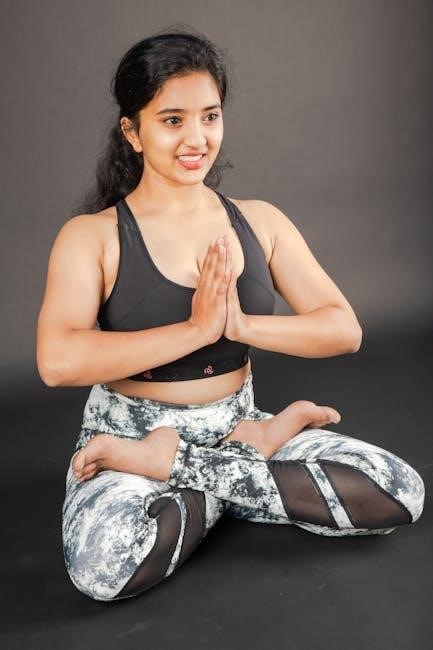
Consistent practice, guided by free PDF materials, can alleviate chronic back pain, improve posture, and enhance the connection between the spine and the nervous system, fostering a sense of ease and freedom.
Breathwork (Pranayama) Techniques for Somatic Yoga
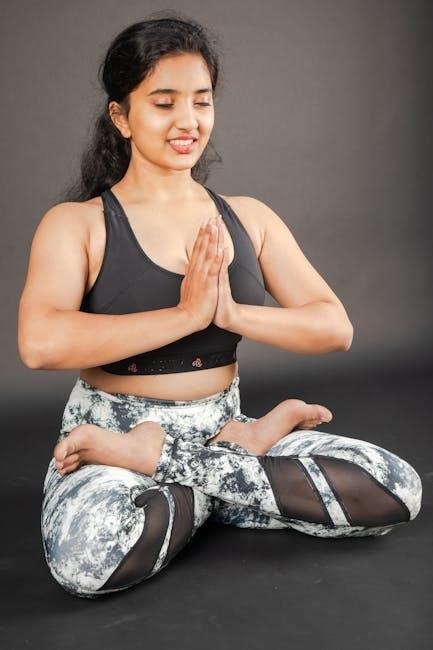
Somatic yoga PDF guides often integrate breathwork, or pranayama, as a central element to deepen body awareness and regulate the nervous system. Unlike traditional yoga’s emphasis on specific breathing patterns, somatic breathwork prioritizes following the body’s natural rhythm and sensations.
Common techniques detailed in free PDF resources include diaphragmatic breathing – focusing on expanding the belly with each inhale – and three-part breath, which systematically fills the abdomen, ribcage, and chest. These practices cultivate a sense of grounding and presence, helping to release tension held in the body.
Furthermore, some PDFs introduce techniques like “sighing breath” to release emotional blockages and “box breathing” for calming the mind. The intention is not to control the breath, but to use it as a tool for self-exploration and nervous system regulation, enhancing the somatic experience.

A 28-Day Somatic Yoga Workout Plan (PDF Focus)
Explore a mindful movement practice with a free PDF, designed to increase body awareness and connection, transforming exercise into a somatic journey!
Structuring Your Somatic Yoga Practice
Begin with accessible PDF resources to establish a foundational understanding of somatic principles before diving into a 28-day plan. Prioritize gentle movements and internal sensations over achieving specific poses; the focus is on how you move, not what you do.
Each session, guided by free PDF materials, should incorporate grounding exercises to foster stability and presence. Follow this with slow, mindful spinal movements designed to release tension and increase body awareness; Integrate breathwork (pranayama) techniques, also detailed in many PDF guides, to deepen the connection between breath and movement.
Consider dedicating 15-30 minutes daily, consistently, rather than sporadic longer sessions. Utilize the PDF plans as a framework, but always listen to your body and adjust as needed. Remember, somatic yoga is about cultivating a relationship with your internal experience, and free PDF resources can be invaluable tools in this process.
Modifying Exercises Based on Your Needs
Utilizing free PDF resources, remember somatic yoga emphasizes self-awareness; modifications are not failures, but essential adaptations. If a movement causes pain, immediately stop and explore gentler alternatives detailed within the PDF guides.
Props – blankets, bolsters, blocks – are your allies. PDF instructions often suggest prop usage to support the body and reduce strain. Don’t hesitate to use them! Adjust the range of motion; smaller movements can be profoundly impactful. Focus on sensing subtle shifts rather than forcing deeper stretches.
Listen to your nervous system. If you experience overwhelm, pause, and practice grounding techniques found in many free PDFs. Modify breathwork; shorten exhales or switch to diaphragmatic breathing. The goal isn’t to replicate poses perfectly, but to cultivate a safe, embodied experience, guided by the principles outlined in your chosen PDF.